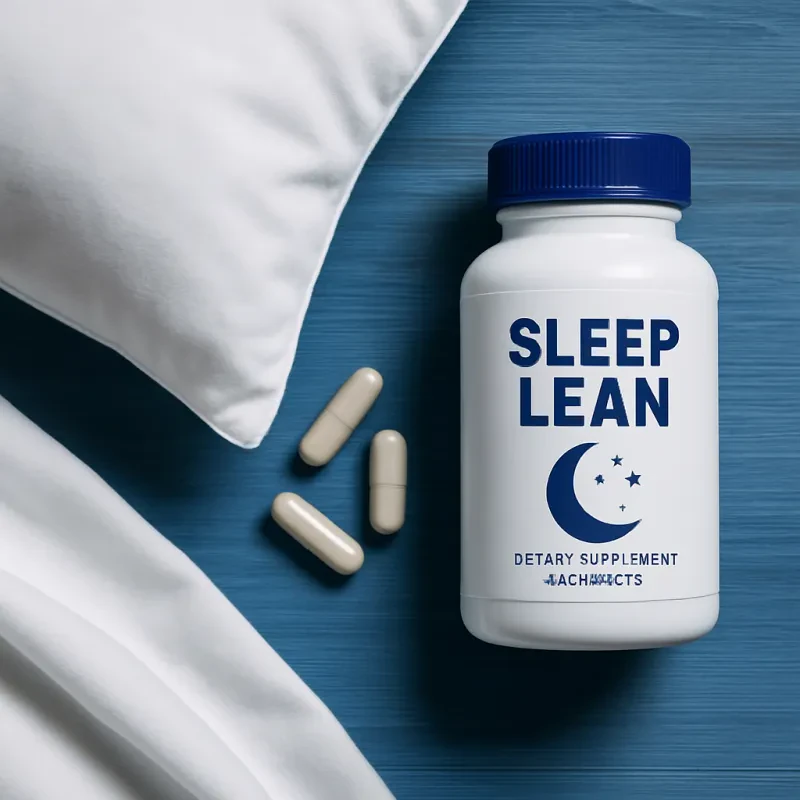
When it comes to weight loss, many people search for quick solutions, and weight loss supplements often catch their attention. These products come in various forms, including pills, powders, and gummies, and are marketed to help shed those extra pounds. However, understanding how these supplements work is crucial for making informed choices. Not all weight loss supplements are created equal, and some might not deliver on their promises.
Many weight loss supplements claim to boost metabolism, suppress appetite, or block fat absorption. Some of the most common ingredients include caffeine, green tea extract, and garcinia cambogia. Caffeine is known for its ability to increase energy levels and enhance fat burning, while green tea extract provides antioxidants that can support metabolism. Garcinia cambogia, on the other hand, is a tropical fruit that is often touted for its appetite-suppressing qualities. However, the effectiveness of these ingredients varies from person to person, and scientific evidence may be lacking.
It's essential to approach these supplements with caution. While some people may experience positive results, others might face side effects such as jitteriness, digestive issues, or even more severe health risks. Furthermore, the weight loss industry is not as tightly regulated as pharmaceuticals, which means some products might contain undisclosed ingredients or ineffective dosages. Always consult a healthcare professional before starting any supplement regimen, especially if you have underlying health conditions or are taking medications.
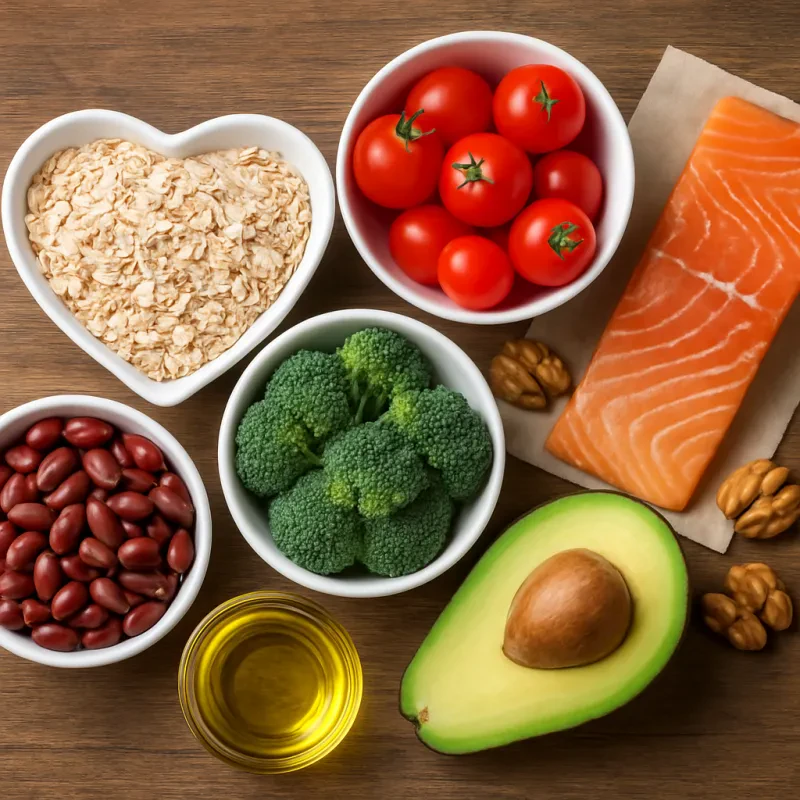
In addition to potential benefits and risks, it’s important to remember that supplements are not a magic solution. Sustainable weight loss typically involves lifestyle changes like adopting a balanced diet and engaging in regular physical activity. Weight loss supplements should be viewed as an aid rather than a primary strategy. By prioritizing healthy habits, you can achieve your weight loss goals more effectively and safely.
Common Types of Supplements
When it comes to weight loss supplements, there are several common types that people often consider. Each type serves a different purpose and can affect individuals in various ways. Understanding these categories can help you make informed decisions about which supplements might be the most suitable for your weight loss journey.
1. Fat Burners: These supplements are designed to increase your metabolism, helping your body burn fat more effectively. Ingredients like caffeine, green tea extract, and synephrine are often found in fat burners. They can help boost energy levels, making it easier to stay active throughout the day. However, it's essential to use them cautiously, as some may cause side effects like jitteriness or increased heart rate.
2. Appetite Suppressants: If portion control is a challenge for you, appetite suppressants might be worth exploring. These supplements aim to reduce hunger signals and keep you feeling full for longer. Common ingredients include glucomannan and garcinia cambogia. While they might assist you in eating less, it's vital to combine their use with a balanced diet to ensure you’re still getting the nutrients your body needs.
3. Meal Replacements: For those who find it difficult to prepare healthy meals frequently, meal replacement shakes and bars can be a convenient option. They provide essential nutrients while helping control calorie intake. Many meal replacements are fortified with vitamins and minerals, making them a better choice than junk food alternatives. However, relying solely on these products isn't advisable; whole foods should still be a significant part of your diet.
By familiarizing yourself with these common types of supplements, you can better navigate the options available and choose what fits your lifestyle and goals. Remember that supplements should complement a healthy diet and regular exercise, not replace them.
Benefits and Risks Explained
When it comes to weight loss supplements, understanding the benefits and risks is crucial for making informed decisions. Many people turn to these products hoping for a quick and easy solution to their weight challenges. One of the primary benefits is that certain supplements can help boost metabolism, which may aid in burning more calories. Ingredients like caffeine and green tea extract are often found in fat burners and have been shown to enhance energy levels and increase fat oxidation.
Another advantage of weight loss supplements is their potential to reduce appetite. Many formulations contain natural ingredients such as glucomannan or garcinia cambogia, which can help you feel fuller for longer, making it easier to stick to a calorie-restricted diet. Additionally, some supplements can improve mood and emotional well-being, which is beneficial since emotional eating can hinder weight loss efforts.
However, it's essential to recognize that not all supplements are created equal, and some come with risks. Side effects can include jitters, digestive issues, or heart palpitations, particularly with stimulants. Furthermore, the weight loss supplement market is not strictly regulated, leading to concerns about the quality and efficacy of products. Some may contain hidden ingredients or dosages that could be harmful.
Lastly, relying solely on supplements without making lifestyle changes is unlikely to yield lasting results. It's important to remember that a balanced diet and regular exercise are the foundations of successful weight loss. Supplements should complement a healthy lifestyle rather than replace it. Always consult with a healthcare professional before starting any new supplement regimen to ensure it's safe for you.
Choosing the Right Supplement
Another crucial factor is the reputation of the brand. Research the company behind the supplement to ensure they adhere to quality and safety standards. Look for products that have been tested by third-party organizations. This testing ensures the supplement contains what it claims and is free from harmful substances.
It’s also wise to consider your individual needs and lifestyle. Some supplements may work better for certain body types or dietary habits. If you’re following a low-carb diet, for example, you might benefit from a supplement that supports fat burning without relying on sugars. Always consult with a healthcare professional before beginning any new supplement to ensure it aligns with your goals and health conditions.
Lastly, be cautious of claims that seem too good to be true. Supplements are not magic pills; they work best when combined with a healthy diet and regular exercise. Aim for realistic goals and remember that sustainable weight loss takes time and effort. By choosing wisely and being informed, you can find a supplement that aids your journey, rather than hinders it.