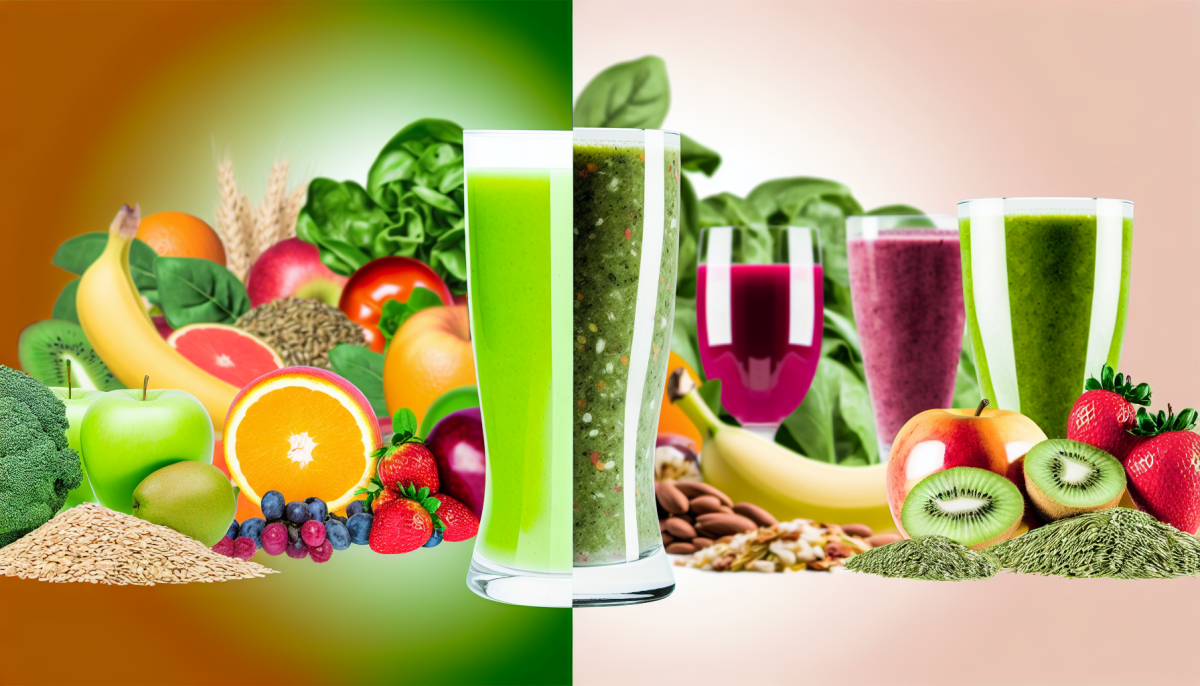
Smoothies can be a delicious and convenient way to boost your health. They’re packed with vitamins, minerals, and antioxidants that can help you feel your best. One of the main benefits is that you can easily pack a ton of nutrients into one glass. You can blend fruits, veggies, and even seeds or nuts to create a tasty drink that covers multiple food groups all at once.
Another great thing about smoothies is their versatility. You can mix and match ingredients based on what you have on hand or what you're craving. Whether you're in the mood for something fruity, green, or even creamy, there's a smoothie recipe for you! Plus, they’re super easy to customize if you’re looking to hit specific dietary goals like boosting protein intake or getting more fiber.
Many people find that drinking smoothies helps them stay hydrated. With added liquid, like water or almond milk, it's an easy way to incorporate more fluids into your day. And, if you're someone who struggles with getting enough fruits and vegetables in your diet, smoothies can make it so much easier to get those servings in without feeling overwhelmed.
Of course, it’s good to weigh the pros and cons of drinking smoothies instead of eating whole foods. Smoothies can fill you up quickly and taste amazing, but you don’t want to rely on them completely. Whole foods have their own set of benefits, like fiber content and the experience of eating solid food. Understanding The Pros and Cons of Drinking Smoothies Instead of Eating Whole Foods can help you create a balanced diet that works for you.
Why Whole Foods Matter More
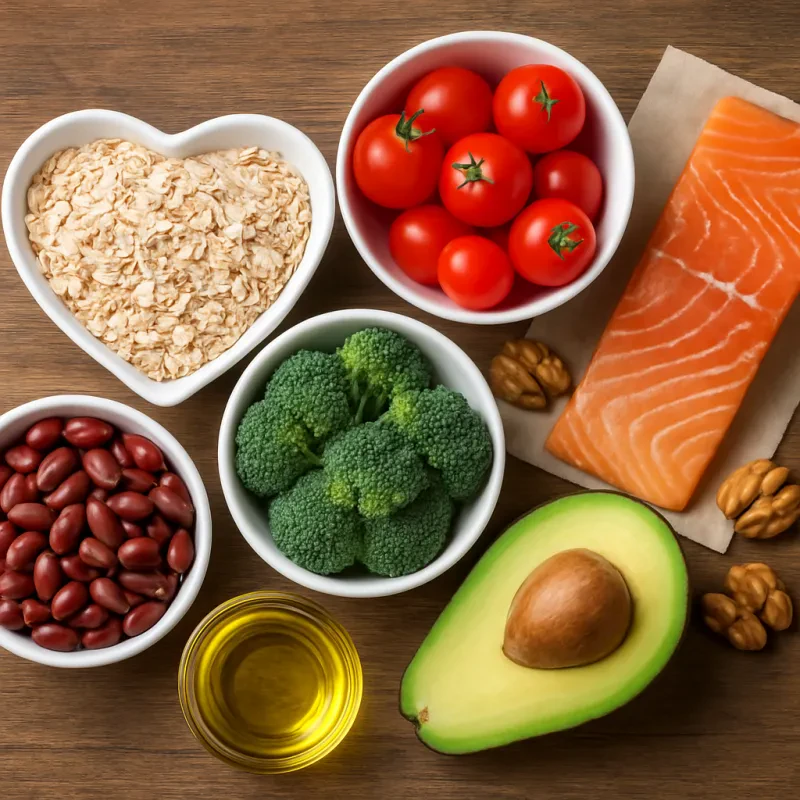
When it comes to choosing between smoothies and whole foods, it’s important to understand just how vital whole foods are to our overall health. Whole foods are foods that are as close to their natural state as possible—think fresh fruits, vegetables, whole grains, nuts, and seeds. These foods are packed with nutrients, fiber, and antioxidants that can support everything from digestion to heart health.
Eating whole foods gives you the chance to nourish your body fully. They provide the essential vitamins and minerals that smoothies might lack, especially if you’re blending them without variety. The fiber in whole foods helps keep you feeling fuller for longer, which can be beneficial for maintaining a healthy weight. Plus, chewing whole foods encourages mindful eating, which is often overlooked when drinking a smoothie on-the-go.
Now, that’s not to say smoothies don’t have their place in your diet. They can be a quick and tasty way to get a nutrient boost. However, when you weigh The Pros and Cons of Drinking Smoothies Instead of Eating Whole Foods, whole foods tend to shine. Many people may end up underestimating the calorie content of their smoothies or miss out on some nutrients if they're not careful with their ingredient choices.
In essence, while smoothies can complement a healthy diet, relying solely on them can mean missing out on the full spectrum of health benefits that whole foods provide. Incorporating both into your routine can lead to a balanced and satisfying way of eating, but remember that whole, unprocessed foods are where the real nutrition lies!
Quick Comparison of Nutrients
When it comes to nutrition, smoothies and whole foods each have their own unique benefits. If you've ever wondered about The Pros and Cons of Drinking Smoothies Instead of Eating Whole Foods, let's break down some key nutrients you might be getting from both.
Vitamins and Minerals: Whole foods typically pack in more vitamins and minerals. Fruits, veggies, nuts, and seeds deliver a range of nutrients that might be lost during the blending process. For instance, when you eat a whole fruit, you benefit from its fiber and the full array of its nutrients. Smoothies can still be nutritious, especially when made from fresh ingredients, but be mindful of your ingredient choices to maximize nutrient intake.
Fiber Content: Whole foods are generally your best bet for fiber. The act of chewing whole foods breaks them down and helps your body digest them more effectively. Blending can break down some fiber, making it easier to consume but potentially less effective for digestion. If you’re looking for that full feeling and digestive health, eating whole fruits and veggies might be your go-to.
Calories and Sugar: Smoothies can sometimes turn into sugar bombs! It's easy to get carried away with adding fruits, yogurt, or sweeteners. Whole foods can help you self-regulate your portions more naturally. If you're mindful of your calorie intake, eating a piece of fruit or a handful of nuts might be a better choice than blending everything together into one glass that could have a lot more calories than you realize!
Choosing What's Best for You
When it comes to deciding between smoothies and whole foods, it’s important to find what fits your lifestyle and needs. Both options have their perks, but there are some key differences to consider. Let’s break it down simply!
First off, smoothies can be a quick and easy way to pack in a ton of nutrients. You can blend fruits, veggies, and even add proteins or superfoods to create a delicious drink that’s perfect for your busy mornings. Just toss everything into a blender, and you’re good to go! But, it’s worth noting that sometimes those blended fruits lose some fiber during the process, making them less filling than a solid meal.
On the other hand, whole foods provide all the fiber and nutrients in their natural state. You get the added benefit of feeling full longer. Eating a variety of whole foods can also make meal prep a bit more interesting. Think of all the colors, textures, and flavors you can play with! However, it may take more time to prepare a full meal than it does to whip up a smoothie.
In The Pros and Cons of Drinking Smoothies Instead of Eating Whole Foods, you might find it’s all about balance. Maybe you enjoy having a smoothie for breakfast but prefer a hearty salad for lunch. Mixing both can help you enjoy the best of both worlds! Listen to your body, and don’t hesitate to switch things up as your cravings and schedules change.