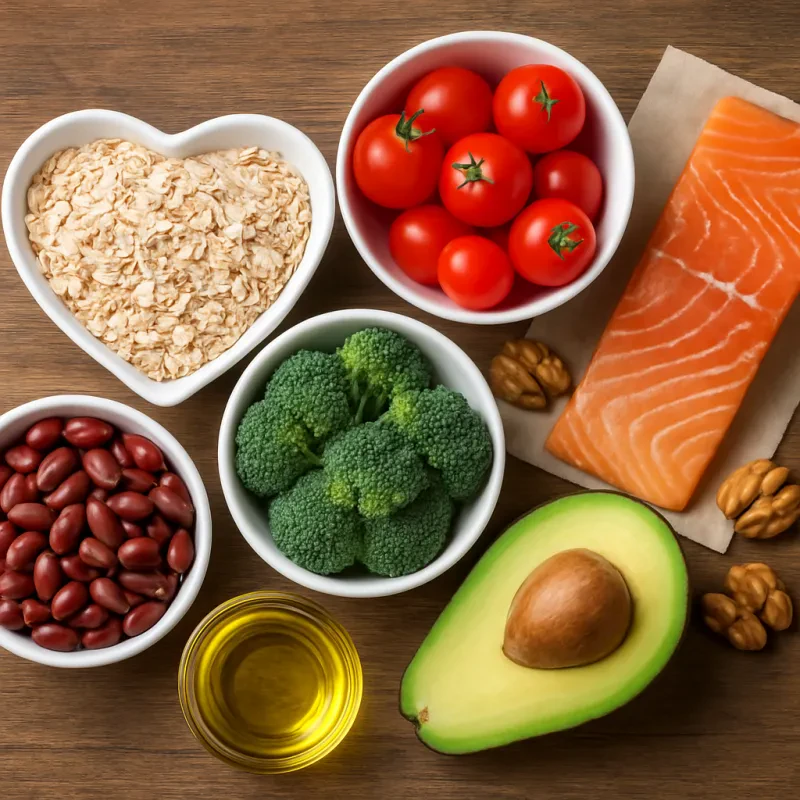
When it comes to weight loss, having an effective diet plan is essential for men looking to shed extra pounds and lead a healthier lifestyle. A successful diet should not only focus on cutting calories but also on providing the right balance of nutrients. One popular approach is the Mediterranean diet, which emphasizes whole foods like fruits, vegetables, whole grains, and healthy fats from sources like olive oil and nuts. This plan not only helps with weight loss but also promotes heart health and overall well-being.
Another effective diet plan is the high-protein diet, which can help men feel fuller for longer while supporting muscle mass. Incorporating lean meats, fish, eggs, and plant-based proteins can boost metabolism and encourage fat loss. Alongside protein, it is essential to include plenty of fiber-rich foods such as legumes, vegetables, and whole grains to aid digestion and keep blood sugar levels stable.
For men who prefer a structured approach, meal prepping can be a game-changer. By dedicating a few hours each week to prepare healthy meals and snacks in advance, men can avoid the temptation of unhealthy eating when they are busy or on the go. Portion control is also a key aspect of effective dieting; understanding serving sizes can help men track their calorie intake and stay on course with their weight loss goals.
Lastly, it’s crucial to stay hydrated. Drinking plenty of water not only supports overall health but can also help curb hunger and reduce the likelihood of overeating. Men should aim for at least eight glasses of water a day, and substituting sugary drinks with water can significantly lower overall calorie intake. By combining these strategies into a cohesive diet plan, men can effectively tackle weight loss and build healthier habits for life.
Strength Training for Weight Loss
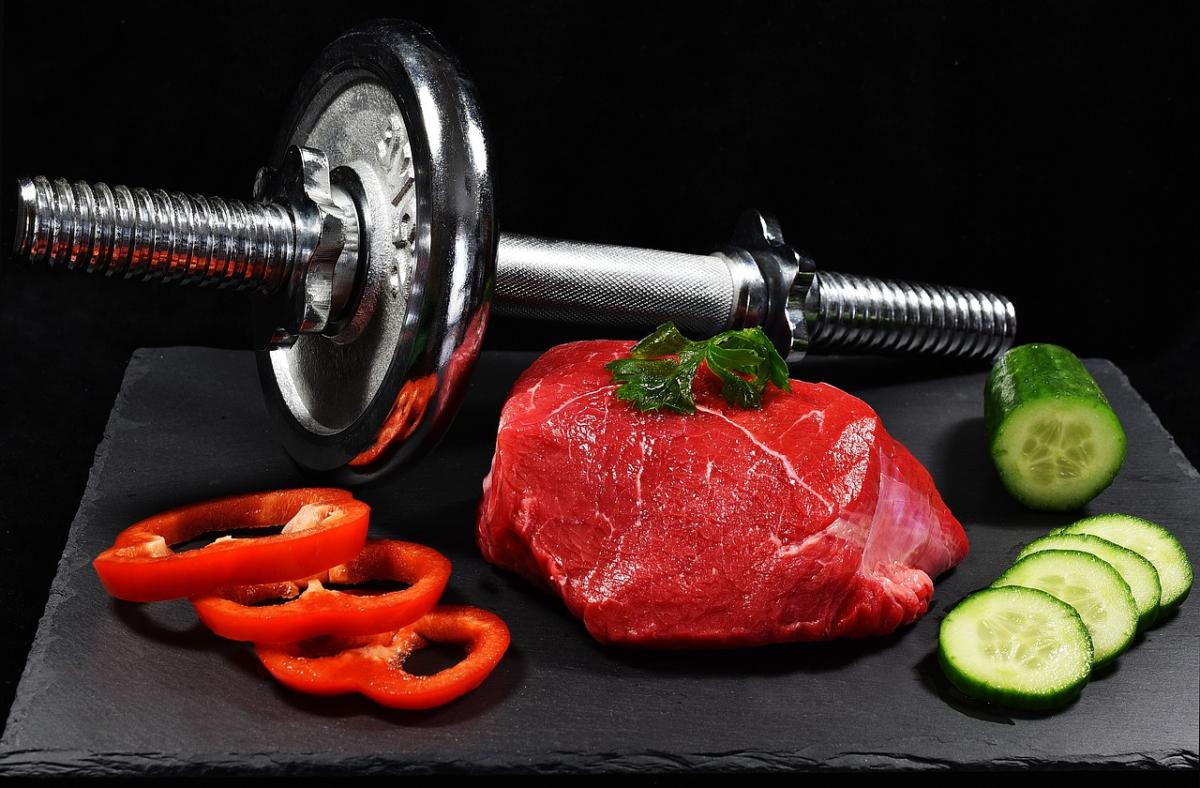
Strength training is a powerful ally in your weight loss journey. Many people associate weight loss with cardio exercises like running or cycling, but building muscle through strength training plays a crucial role. When you develop more muscle, your body burns more calories, even when you're at rest. This means that in addition to burning calories during workouts, you'll be increasing your overall metabolism, enhancing your weight loss efforts.
It's important to integrate strength training into your weekly routine. Aim for at least two to three sessions each week, targeting all major muscle groups. This can include exercises such as squats, deadlifts, bench presses, and rows. You don’t necessarily need a gym membership; many effective workouts can be done at home using bodyweight exercises or resistance bands. Consistency is key, so find a routine that fits your lifestyle and stick with it.
Strength training also has benefits beyond calorie burning. It helps improve your bone density, boosts your mood, and increases your overall functional strength, making daily activities easier. Particularly for men, maintaining muscle mass is essential as you age, helping reduce the risk of health issues related to inactivity. Remember to mix in some variety to keep your workouts interesting and challenging!
Don't forget to pair your strength training with proper nutrition. Consuming a balanced diet filled with proteins, healthy fats, and plenty of fruits and vegetables will support your muscle growth and recovery. Post-workout meals are especially important; aim to refuel within 30 minutes of finishing your workout to maximize results. By embracing strength training as part of your weight loss strategy, you’ll not only shed pounds but also build a stronger, healthier body.
Staying Motivated on Your Journey
Staying motivated on your weight loss journey is essential for success. It’s not just about the numbers on the scale; it's about adopting a healthier lifestyle that you can maintain long-term. One of the best ways to stay motivated is to set realistic and achievable goals. Instead of focusing solely on losing a specific amount of weight, consider setting goals related to your fitness and nutrition habits, like exercising three times a week or cooking healthy meals at home. Celebrating these small victories can boost your confidence and keep you moving forward.
Another effective strategy is to find a support system that keeps you accountable. Whether it's friends, family, or a fitness group, surrounding yourself with others who share similar goals can provide encouragement and motivation. Share your challenges and successes with your support network; their insights can offer new perspectives and help keep your spirits high. Additionally, consider partnering with a workout buddy. Having someone to share your journey with can make exercising more enjoyable and less of a chore.
Visual reminders can also play a vital role in maintaining your motivation. Create a vision board with images and quotes that inspire you. Place it somewhere you'll see every day, like your fridge or bathroom mirror. This constant visual stimulus can reinforce your commitment to your goals. Also, keep track of your progress through apps or journals. Documenting your journey not only helps you stay accountable, but it can also provide a sense of achievement when you look back at how far you’ve come.
Lastly, remember to be patient with yourself. Weight loss is a journey, and ups and downs are completely normal. When you encounter setbacks, try to focus on the positive changes you're making in your life rather than fixating on any temporary detours. Stay flexible and adjust your strategies as needed. This adaptability will not only help you stay on course but will also make the journey itself more enjoyable.
Tracking Progress and Celebrating Success
Tracking your progress is essential on your weight loss journey. Keeping a record of your weight, measurements, and even how your clothes fit can provide valuable insight into how well your strategies are working. You might consider using a journal or a mobile app to log your daily meals, workouts, and any physical changes. This not only helps you stay accountable but also allows you to identify what methods are most effective for you.
Additionally, tracking progress isn’t just about numbers on a scale. Take note of your energy levels, mood, and overall well-being. Sometimes, the scale may not reflect your efforts right away, but improvements in your fitness levels and lifestyle are just as important. Celebrate the non-scale victories, such as lifting heavier weights at the gym or running longer distances. Each of these milestones indicates that your body is transforming, even if the scale isn't moving as quickly as you'd like.
Celebrating your successes, big or small, is a crucial part of staying motivated. Set short-term goals along your journey and reward yourself when you achieve them. Rewards can range from a relaxing spa day to a new workout outfit—anything that feels special to you. These rewards can boost your morale and remind you of the progress you’ve made, allowing you to stay focused on your long-term goals.
Don’t hesitate to share your achievements with friends and family, too. Having a support system can enhance your motivation, and sharing your journey makes it even more rewarding. Consider joining a weight loss community or finding a workout buddy who shares similar goals. Together, you can celebrate successes and encourage each other when the going gets tough.