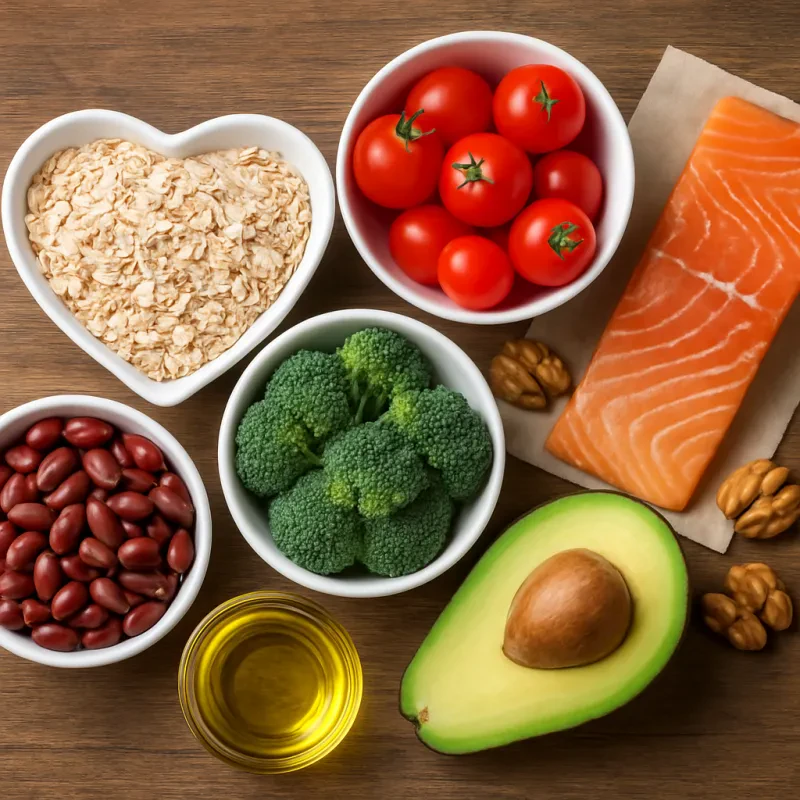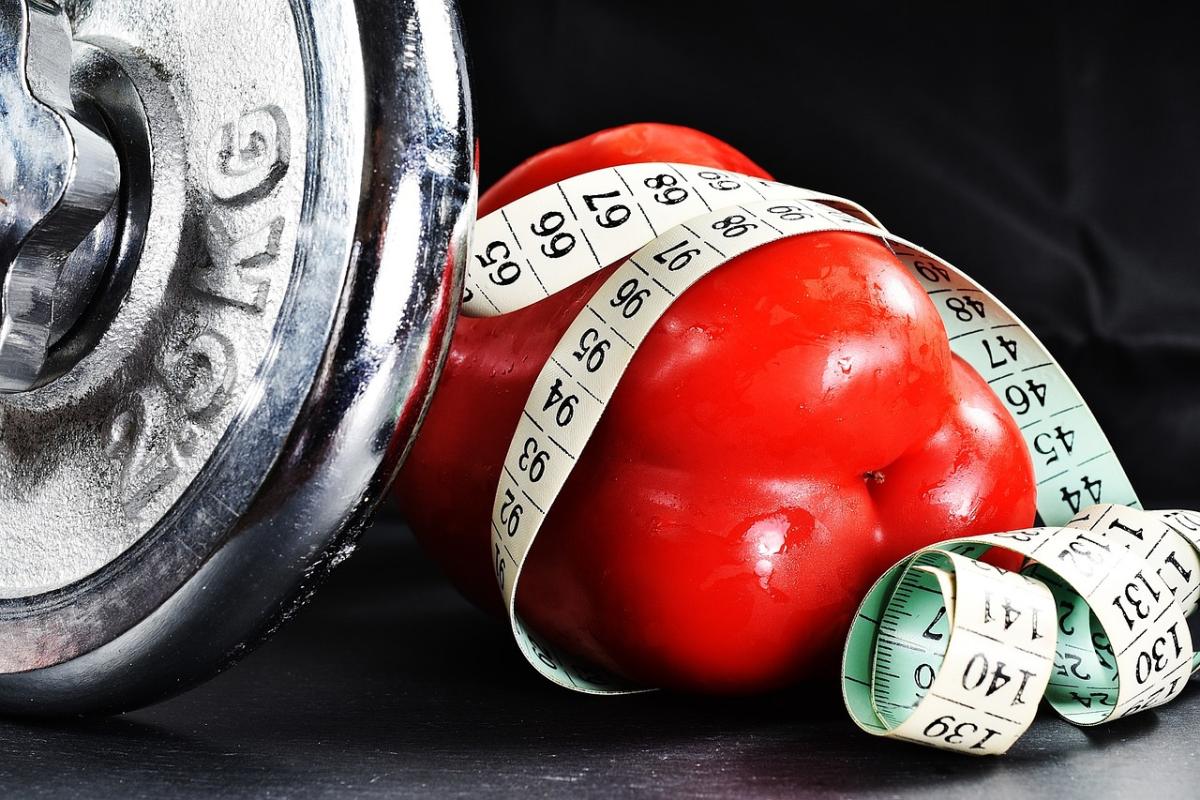
When you're looking to shed pounds quickly, incorporating certain foods into your diet can make a significant difference. Focus on whole, nutrient-dense options that promote satiety without piling on the calories. Here are some of the best foods that can help speed up your weight loss journey.
First up, leafy greens like spinach, kale, and Swiss chard are excellent choices. They're low in calories but high in fiber, which helps keep you feeling fuller for longer. Adding these greens to your meals can enhance volume without excessive calories, making it easier to stick to a caloric deficit.
Lean proteins such as chicken breast, turkey, and fish can also accelerate weight loss. Protein is essential for building muscle and can increase your metabolic rate, meaning you'll burn more calories even at rest. Foods like eggs, legumes, and tofu are great plant-based protein sources as well.
Don't forget about fruits and vegetables, which are not only low in calories but also packed with vitamins and minerals. Berries, in particular, are fantastic because they're rich in antioxidants and can satisfy your sweet tooth without leading to weight gain. Pairing fruits and veggies with healthy fats from sources like avocados and nuts can create a balanced meal that supports faster weight loss.
Lastly, consider incorporating whole grains like quinoa, brown rice, and oats into your diet. These complex carbohydrates provide sustained energy and fiber, helping to keep you full. Opting for whole grains over refined grains ensures you're not just losing weight but also nourishing your body in the process.
Simple Meal Plans to Follow
If you’re looking to shed some pounds quickly, having a simple meal plan can make a world of difference. A well-structured meal plan helps to remove the guesswork from what to eat and keeps you focused on your weight loss goals. Below are a few easy-to-follow meal plans that can help you get started on your weight loss journey.
Meal Plan 1: Balanced Basics
- Breakfast: A bowl of oatmeal topped with sliced bananas and a sprinkle of cinnamon.
- Lunch: Grilled chicken salad with mixed greens, cherry tomatoes, cucumbers, and a light vinaigrette.
- Dinner: Baked salmon with steamed broccoli and quinoa.
- Snack: A small handful of almonds or a piece of fruit.
Meal Plan 2: Vegetarian Delight
- Breakfast: Greek yogurt with fresh berries and a drizzle of honey.
- Lunch: Quinoa and black bean salad with corn, avocado, and lime dressing.
- Dinner: Stir-fried tofu with a mix of colorful vegetables served over brown rice.
- Snack: Hummus with carrot and cucumber sticks.
Meal Plan 3: Low-Carb Option
- Breakfast: Scrambled eggs with spinach and feta cheese.
- Lunch: Lettuce wraps filled with turkey, avocado, and sliced bell peppers.
- Dinner: Zucchini noodles topped with marinara sauce and grilled shrimp.
- Snack: A few cheese slices or a hard-boiled egg.
Tips for Staying Motivated
Staying motivated during your weight loss journey can be challenging, but it's essential for achieving your goals. One effective strategy is to set realistic and specific goals. Instead of aiming to "lose weight," try setting a target like "lose 1 pound per week." This makes your objectives clearer and allows you to track your progress more easily.
Another important tip is to create a support system. Share your goals with friends and family or join a weight loss group. Having others to encourage you and hold you accountable can make a significant difference. Celebrate small victories together, as this will boost your morale and keep you motivated.
Lastly, remember to keep things fun and enjoyable. Incorporate new recipes or workout routines to keep your diet and exercise plan exciting. Experimenting with different healthy foods and activities can prevent boredom and help you stay engaged in your weight loss journey. Remember, it's not just about the destination; enjoy the process!
Common Mistakes to Avoid
When embarking on a weight loss journey, many people make common mistakes that can hinder their progress. One of the biggest pitfalls is skipping meals. Many believe that eating less will lead to faster weight loss, but skipping meals can slow down your metabolism and lead to overeating later. It's essential to maintain regular meal times and incorporate healthy snacks to keep your energy levels stable.
Another mistake is relying too heavily on fad diets. These diets often promise quick results but can be unsustainable in the long run. They may restrict certain food groups or require expensive products, which can be challenging to maintain. Instead, focus on a balanced diet that includes a variety of foods, allowing for flexibility and better adherence over time.
Many people also underestimate the importance of hydration. Drinking enough water is crucial for overall health and can help regulate appetite. Sometimes our bodies confuse thirst with hunger, leading to unnecessary snacking. Make it a habit to drink water throughout the day, and try hydrating foods like fruits and vegetables to help stay refreshed.
Finally, neglecting portion control can be a common oversight. Even healthy foods can contribute to weight gain if consumed in large quantities. It's important to be mindful of portion sizes and listen to your body’s hunger cues. Using smaller plates and measuring portions can help develop better habits and lead to more effective weight loss.